
Tracing Former Owners of a Braxton Property
A former-owner search runs as a sequence rather than one name lookup. First pull the parcel card. The assessor supplies the current parcel, owner of record, legal description, and deed reference. Deeds do the rest. The County Clerk's deed records carry the story back transfer by transfer, with historical tax books, the tax roll, and plat or GIS map layers adding context along the way. Probate appointments and fiduciary deeds often explain a transfer made through an estate, and Braxton's specific deed-book runs and any online image cutoff go unstated, so the dates here mark record routes rather than guaranteed year spans.
| Transfer point | Party handoff | Instrument / locator | Next search |
|---|---|---|---|
| Known latest deed | Current grantee ← named grantor | Recording date and book/page, if shown | Search that grantor as an earlier grantee. |
| Prior conveyance | Earlier grantee ← previous grantor | Deed type and legal description | Compare the tract and any split or added land. |
| Older volume | Earlier parties, if located | Clerk index or deed book reference | Ask the Clerk or Archives about the next period. |
| Estate handoff | Decedent / estate → devisee or buyer | Probate appointment and fiduciary deed | Check the County Clerk's land book again. |
This works as a research worksheet, not a sample Braxton chain with real names. Begin with the newest deed you can verify. Write each transfer down. Then step to the earlier one. A street number can change over the decades. The legal description is the thread that tells you whether two entries describe the same parcel. The Braxton land-record directory lists the record categories a chain may contain.
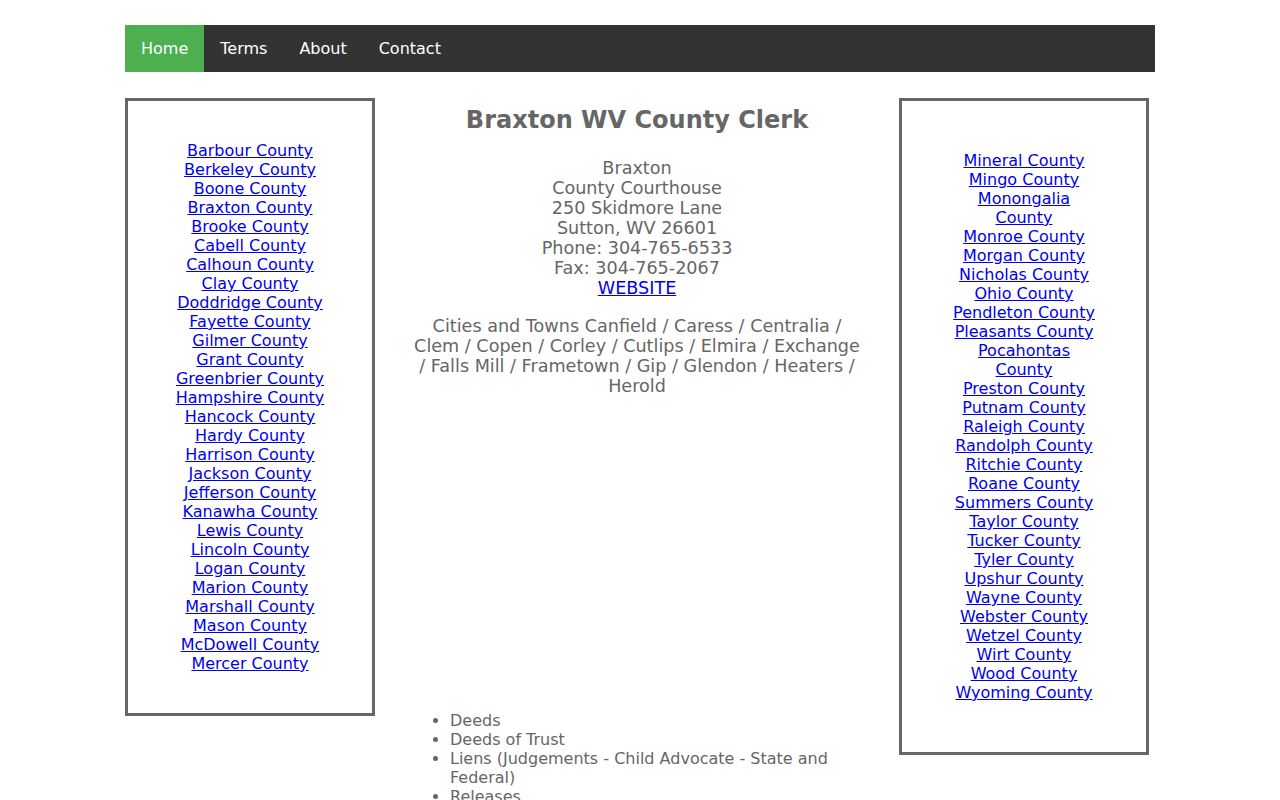
The directory helps identify likely document types but does not publish the searchable years.
Braxton Former Owners Start With the County Clerk
The Braxton County Clerk records documents presented for filing and maintains probate appointments and wills. The public land-record directory names deeds, deeds of trust, liens, releases, plats, assignments, affidavits, and trustee reports of sale. Its category list is not an index search result, and it does not state a coverage year or copy price. Ask the Clerk whether the relevant name index or deed book is available online, at the counter, or in an archive.
The official office is at 300 Main Street, PO Box 486, Sutton, WV 26601; phone 304-765-2833 or 304-765-2834. Provide both names from the most recent deed, the parcel's legal description, and any book/page reference. If a result cannot be found by a modern street address, try the exact older description and the grantor/grantee names.
The County Clerk's recording page supplies the office's stated duties and contact information.
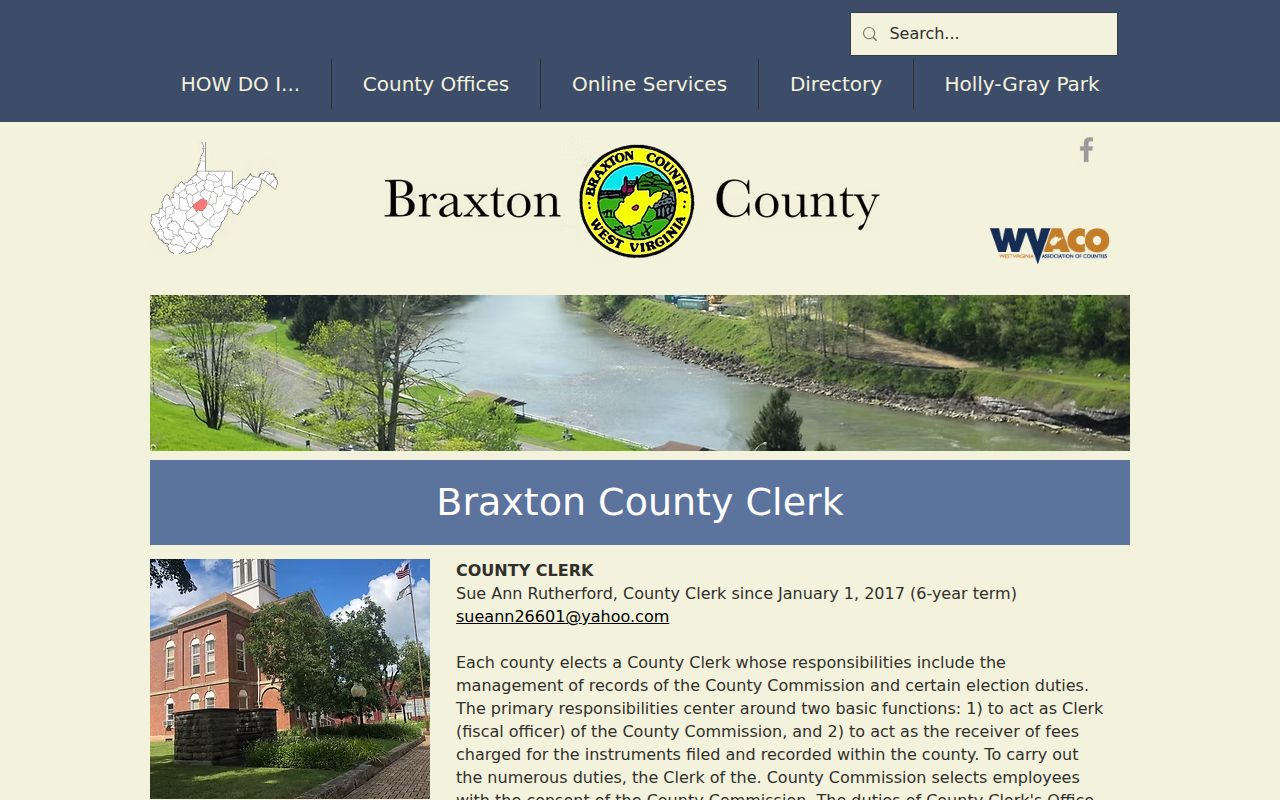
Follow the Clerk's instructions for an older volume instead of assuming the online listing covers every deed book.
Walking the Braxton Deed Chain Backward
On every deed, the grantee receives the land while the grantor conveys it. Walking backward is simple. Take the grantor from the latest verified deed. Find an earlier deed where that party appears as the grantee. Repeat. Stop to compare legal descriptions whenever land is added, divided, or described in a new way.
- Locate the most recent deed using the assessment card's parcel, owner, and legal description.
- Record its date, grantor, grantee, instrument type, book/page, and complete land description.
- Search the grantor as grantee in the earlier period and compare the description with the later deed.
- Repeat until the online index ends or the description changes; ask the Clerk for older books or archive holdings.
- Keep probate orders, plats, and releases beside the deed sequence when they explain a handoff.
- Grantor
- The party conveying the interest in the recorded instrument.
- Grantee
- The party receiving the interest stated in the deed.
- Chain of title
- The ordered sequence of transfers tied to one tract of land.
- Legal description
- The deed's durable wording for the land, which can outlast a street address.
Braxton's Online Former Owner Range Is Unknown
Neither the County Clerk's public page nor the land-record directory names an earliest searchable year, a deed-image cutover, or a microfilm range. So ask the office. Request the index and volume covering your transfer period. Never assume an online search reaches back to Braxton County's formation. A blank result is not proof. It may simply mean the deed sits in a book the directory skips.
When an older record escapes the online directory, contact the Clerk first. Then try the West Virginia Archives and History Library. The statewide archive holds county court records, older vital records, newspapers, census material, military files, and naturalization papers. Whether it holds a particular Braxton deed-book run is another question for staff. Local libraries keep newspapers too. Call ahead before planning a visit around them.
Braxton Former Owners Can Pass Through an Estate
A clean Braxton deed chain can still pass through an estate. The County Clerk lists appointments and wills, and an executor or fiduciary deed is often the instrument that places the land in a buyer's or heir's name. Remember what an appointment proves. It names a representative. It does not itself convey the parcel. After any estate transfer, compare the estate document, any court order, the recorded deed, and the tax card.
West Virginia Vital Registration keeps state certificate records with defined year runs and copy rules. A death or marriage record can fix a date. It can also confirm a family tie. Still, it is never the ownership instrument. Each certificate costs $12 and requires identification. Eligibility varies by record type, so check the current form.
The official certificate request forms explain the application routes and eligibility details.
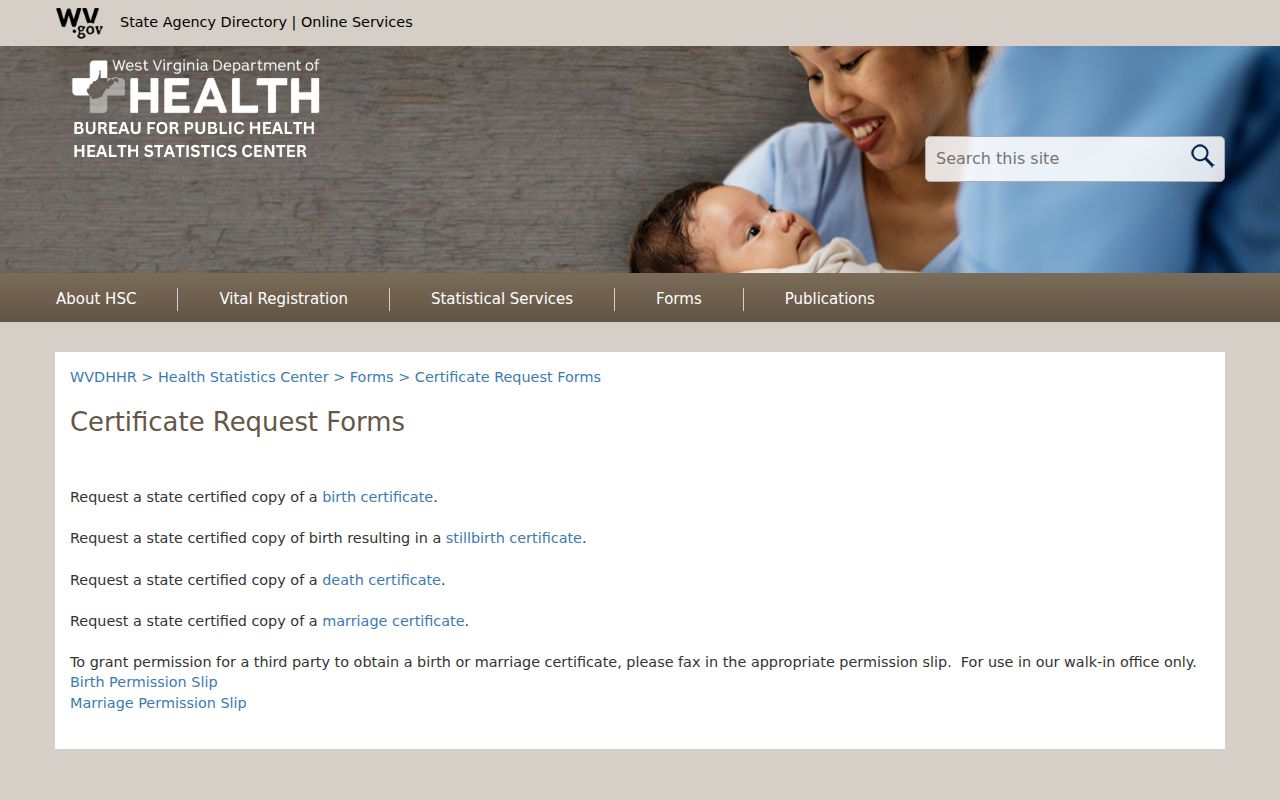
A certificate supports a name or a date. Confirm the land transfer in the deed record. The state copy-request instructions show the channels, the fee, and the identification rules for eligible certificates.
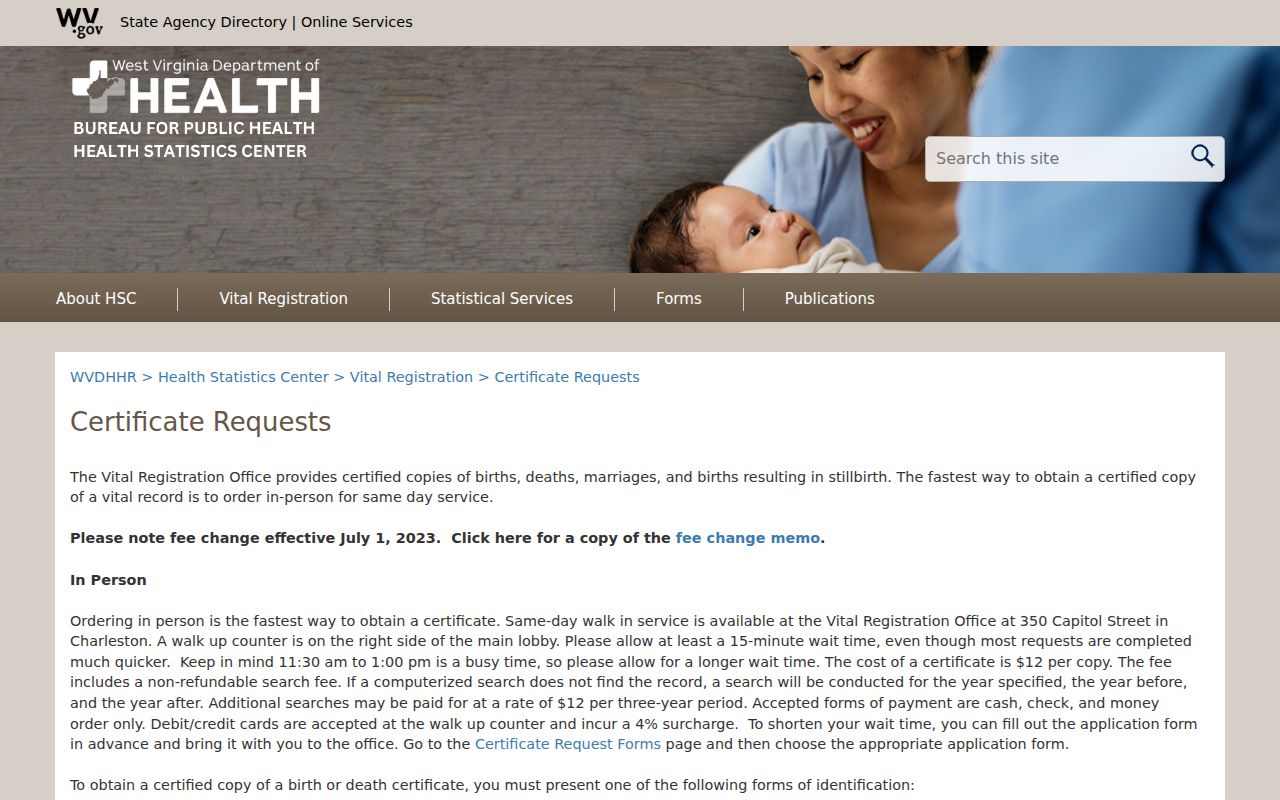
The deed remains the record of the land transfer.
Braxton Former Owner Searches Need Old Place Names
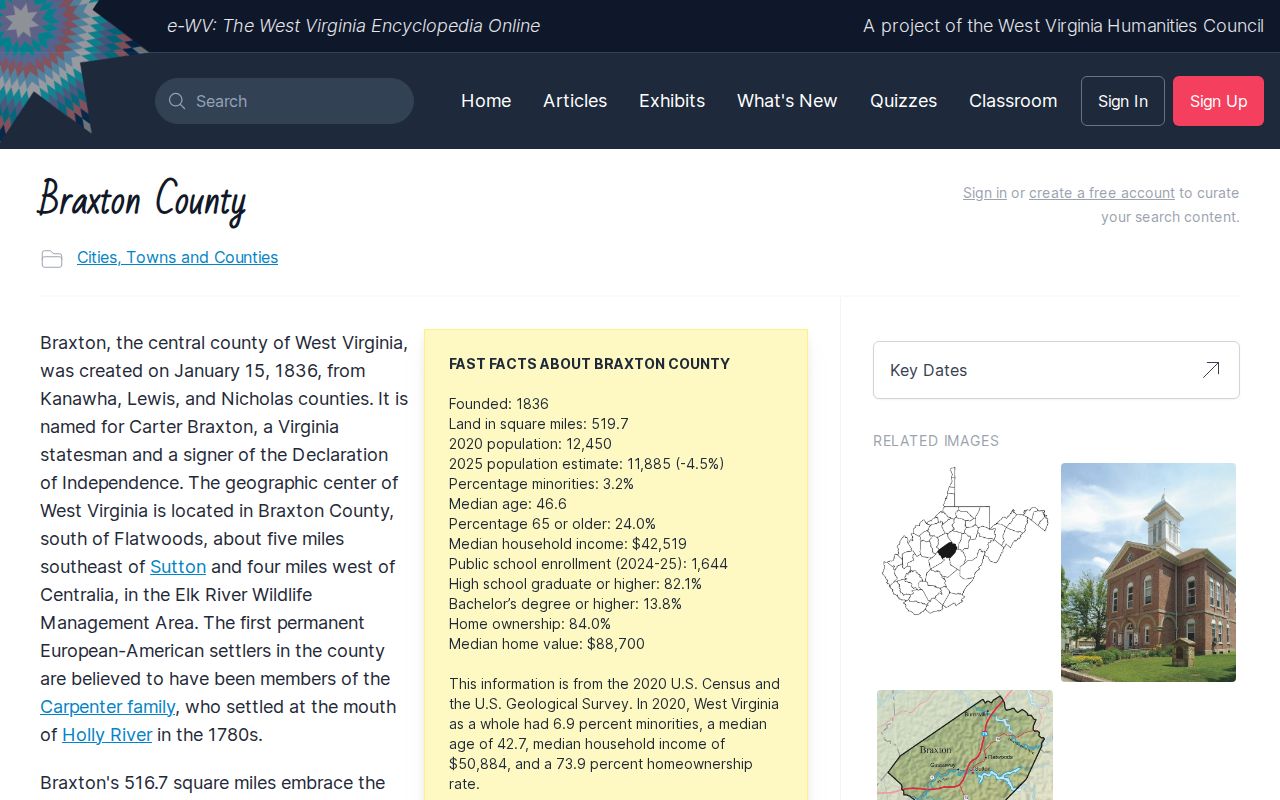
Braxton County was formed in 1836 from pieces of Lewis, Kanawha, and Nicholas counties. That split matters for older work. A conveyance recorded before 1836 may sit in a parent county's deed books instead. Later Braxton deeds often describe land by district, creek, school, road, farm, or town name. They may not use a street number. Write down the original phrase exactly. Search those variants in the assessment and GIS records as cross-checks. Keep the older name in your notes. The county is rural, with communities far beyond its four incorporated towns. References to Bulltown, Sutton Reservoir, Burnsville Reservoir, the Gassaway depot, or a family farm can help you place a deed on a Braxton County map. Treat them as geographic clues. They are not a parcel match. When a tract's exact shape matters, confirm the description through the recorded plat or survey.
Braxton Historic Plats Add Place Context
A plat shows how a tract was divided. The county publishes no Braxton subdivision index, no list of named plats, and no stated year ranges for the books the Clerk holds. So ask directly. Request the plat book and page tied to the deed's lot or parcel description. Metes-and-bounds descriptions work differently. Rely on the deed and any referenced survey rather than assuming a modern map polygon matches the old calls. Old landmarks can steer a property search through vanished place names. The state encyclopedia lists several anchors: the Sutton Downtown Historic District, the Gassaway train depot, the old Burnsville bridge, Cunningham Farmstead, the William Edgar Haymond House, and the Bulltown Historic Area. These names frame a house-history search well. Still, every parcel needs a deed or assessor match. The West Virginia Encyclopedia's Braxton historic-place entry supplies those verified local anchors.
Build a clue from the landmark. Then confirm the legal description in the Clerk's record.
How Far Back Braxton Ownership Records Go
Braxton County deed records begin with the county itself in 1836. The Clerk publishes no first deed-book year and no stated online index limit. No courthouse record loss is on record. A state archive collection may hold older court and historical material. Before 1836, earlier conveyances can sit under Lewis, Kanawha, or Nicholas. Ask the Clerk and archive staff which volume or finding aid covers your parcel's date.
Lawful use. Former-owner research in Braxton is useful for property history, estate work, and title diligence. Do not use a record trail to track, threaten, or harass a living person.